Brush Clearing & Defensible Space on San Juan Island
The islands get dry by August. The ground right around the house is what matters most.
- Licensed & bonded
- WA L&I #SANJUJI741OT
- Insured
- Locally owned in Friday Harbor
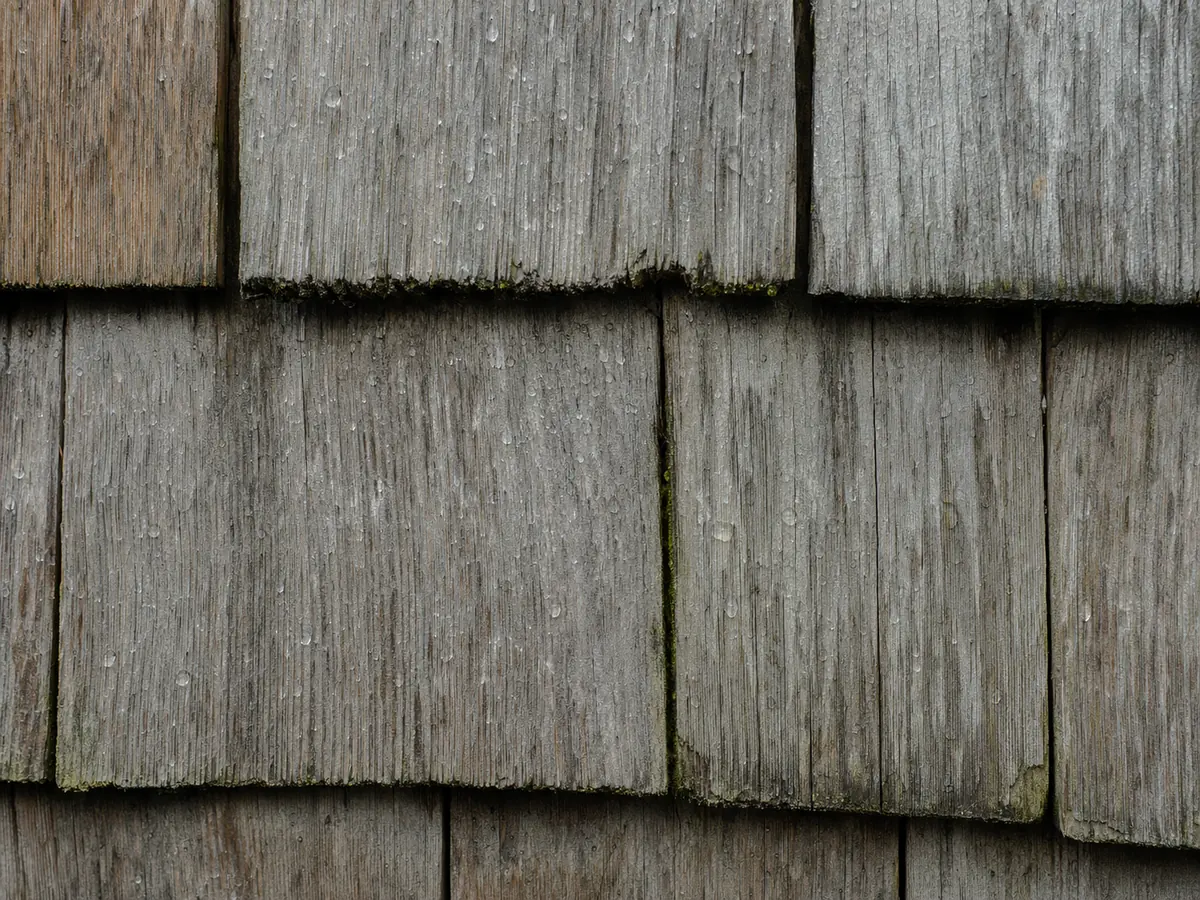
People don't think of the San Juans as wildfire country, but by late summer the grass on the south-facing slopes is cured, the fir duff is dry, and a lot of houses have cedar siding and decks sitting in the middle of it. The risk isn't the same as eastern Washington, but it's real, and most of what reduces it is simple clearing work.
Wildfire guidance focuses first on the few feet right around the house, because that's where embers land and catch. That means getting dry leaves, needles, and debris off roofs and decks and out of gutters, clearing what's piled under decks and stairs, moving firewood away from the walls, and keeping the strip along the foundation clear of anything that burns easily.
Further out, the work is about breaking up what fire can climb and travel through: cutting back brush and blackberry, limbing low branches I can reach from the ground, clearing dry grass around outbuildings and propane tanks, and keeping a clear path to the house so a fire truck can actually get in on a long gravel drive.
Winter and early spring are the best time to do this. The ground is soft, the brush is easy to see, and burn bans don't matter because everything gets hauled, not burned. By the time it's dry, the work's already done.
Same limits as my yard work: no tree felling, no climbing, nothing near power lines, and no herbicides. Big trees and anything over a structure go to a tree service, and I'll coordinate with them.
What’s included
- Clearing debris from roofs, decks, gutters, and under stairs
- Clearing the strip along the foundation of dry, burnable material
- Cutting back brush, blackberry, and dry grass around the house
- Limbing low branches from the ground
- Clearing around outbuildings and propane tanks
- Opening up driveway access for emergency vehicles
- Hauling all debris away. No burn piles.
What it costs
Billed on the standard $250 minimum visit, which covers up to two hours, then $85/hour in quarter-hour increments. Washington sales tax applies to the total. Full rate card. Disposal fees are passed through at cost. Larger properties get a walkthrough and an estimate first.
Book it for winter or early spring and the work is done before fire season starts.
Full rate cardCommon questions
Is this a certified wildfire assessment?
No. I do the clearing work. If you want a formal assessment, Washington DNR and local fire districts offer them, and I'm glad to work from their recommendations.
Will you burn the brush on site?
No. Everything gets hauled. Burning has its own rules and seasons, and hauling avoids all of that.
Can you remove trees close to the house?
Not the trees themselves. That's tree service work. I'll clear everything around them and coordinate with a tree service for the rest.
Next step
Want this off your list?
Call (360) 317-0203 or send the details and I’ll tell you what it takes.
Related